
Cotton in India: Fabric of the Common People
Jan 13, 2026
Introduction
Cotton has long been recognized as the fabric of the common people in India, woven into everyday life across regions, climates, and cultures. Known for its breathable and absorbent qualities, cotton is both practical and deeply familiar. While often viewed as ordinary, cotton holds a quiet luxury—one rooted in comfort, sustainability, and emotional connection.
Main Discussion
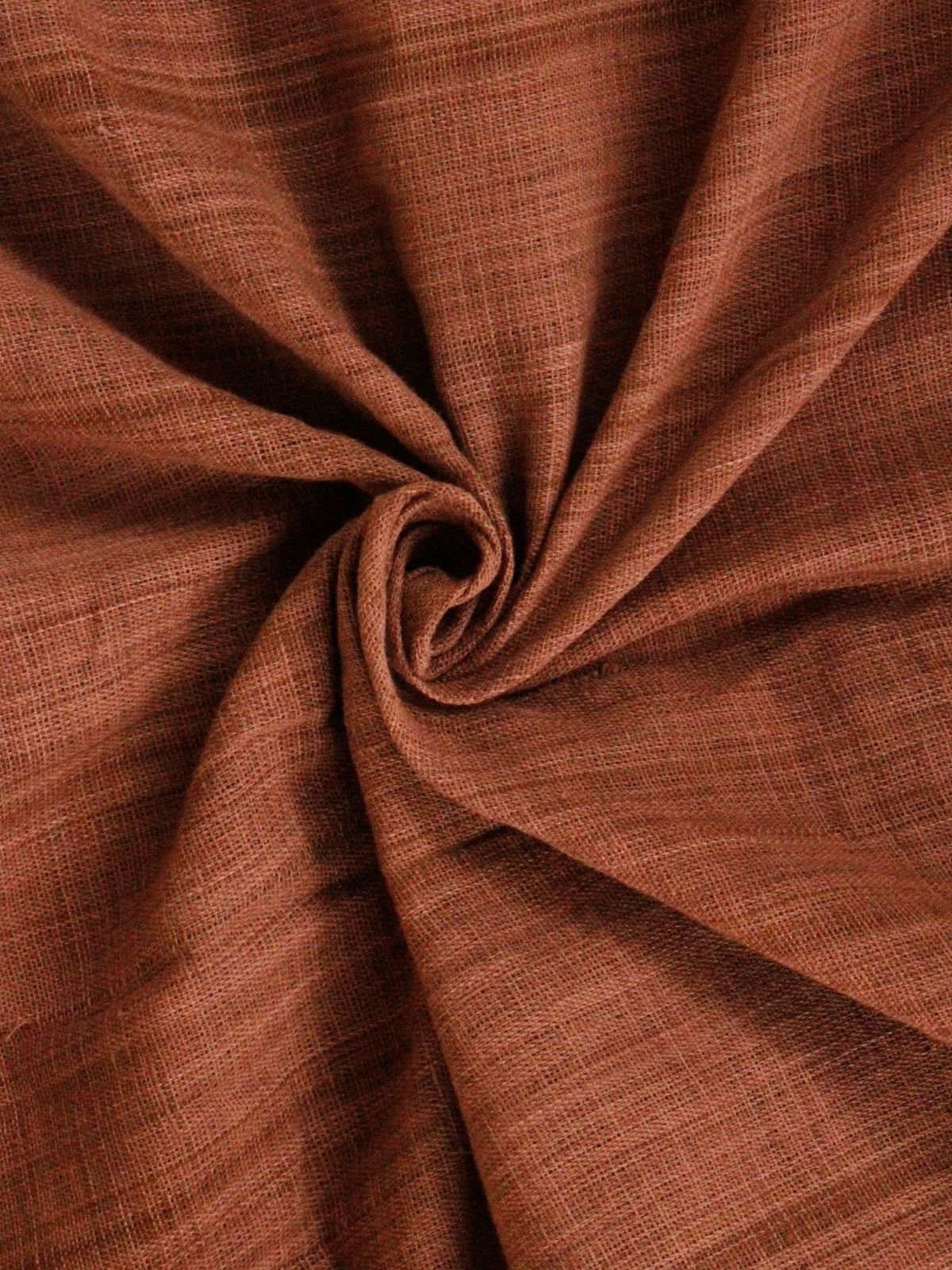
Cotton can exist in its pure organic form or be blended with other fibers to increase strength and longevity. Its versatility allows it to adapt to daily wear, seasonal changes, and long-term use. The texture of cotton is unmistakable—something learned not from textbooks, but from touch. Through my mother’s guidance and hands-on experience with fabrics, I learned to recognize the subtle differences between cotton varieties, making the material feel personal rather than generic.
Beyond its physical qualities, cotton carries emotional symbolism. It represents comfort, safety, and a sense of home. In Indian summers, cotton becomes more than a fabric—it becomes a necessity. Its ability to absorb moisture and remain breathable makes it the most trusted companion in tropical climates. When observed closely, cotton threads resemble shading or hatching techniques, with visible fibers creating depth and softness within the weave.
Cotton also evokes nature. The mere mention of the fabric brings images of calmness, freshness, and earthiness. India plays a significant role in global cotton production, ranking as the second-largest producer worldwide, with Gujarat being the leading cotton-producing state. Cotton thrives in specific conditions—black soil and tropical or subtropical climates—making it closely tied to the land itself.
Although cotton is often labeled as a “common” fabric, I perceive it differently. To me, cotton is a natural luxury—one that we experience daily but rarely acknowledge. Its softness and absorbent nature have taught me an important lesson: patience and calmness. Just as cotton absorbs without resistance, it reminds me to remain composed and grounded, even in the intensity of a tropical environment.
Key Takeaways
Cotton is breathable, absorbent, and adaptable to climate
It carries emotional values of comfort, safety, and home
India is the second-largest producer of cotton, with Gujarat leading
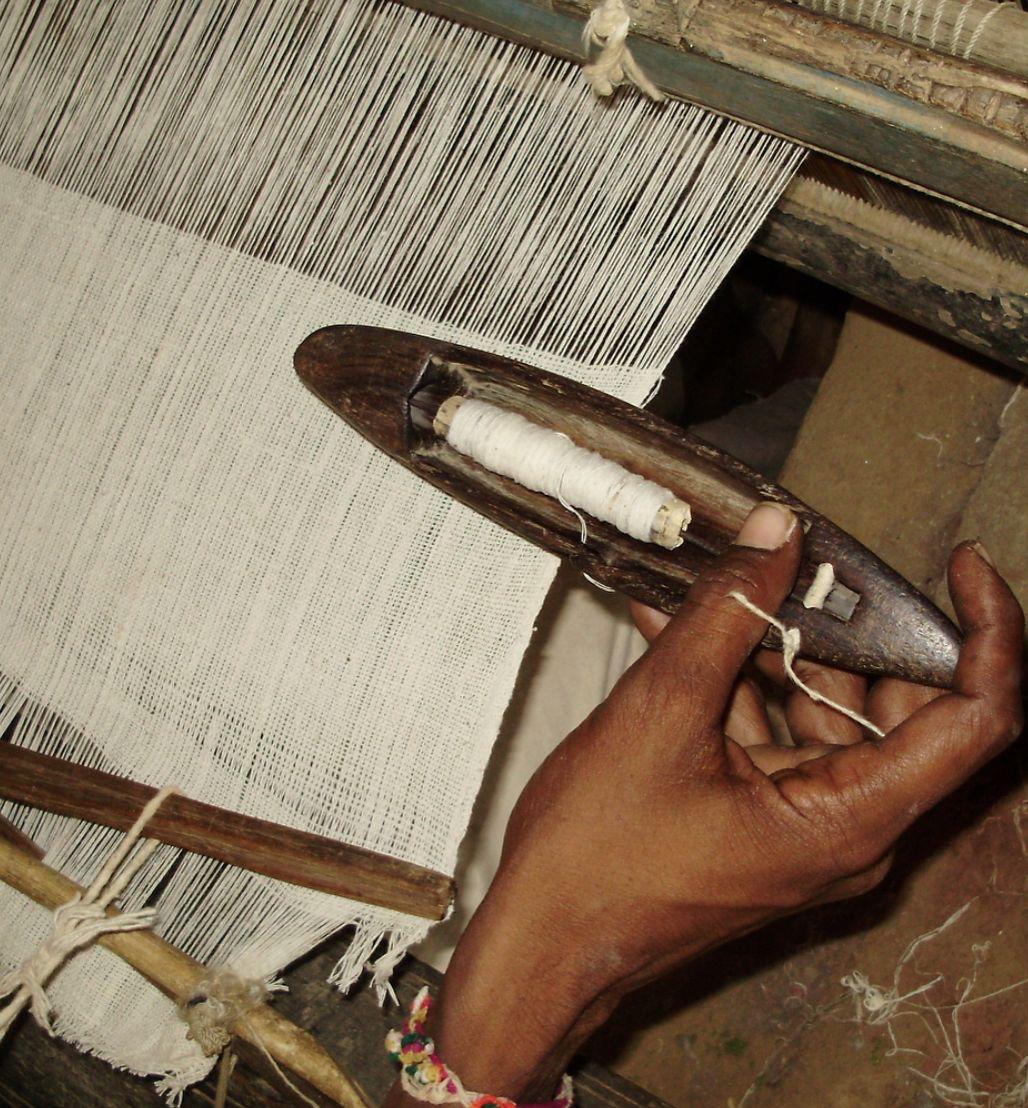
The cotton-to-fabric process reflects care and precision
Cotton is an understated luxury rooted in nature and patience