Gond Art and Nature Worship in Tribal India
Feb 13, 2025
Introduction
In tribal India, nature is not separate from life—it is sacred. Gond art emerges from this deep-rooted relationship between tribal communities and the natural world, portraying nature as a living, breathing deity rather than a background element.
Main Discussion
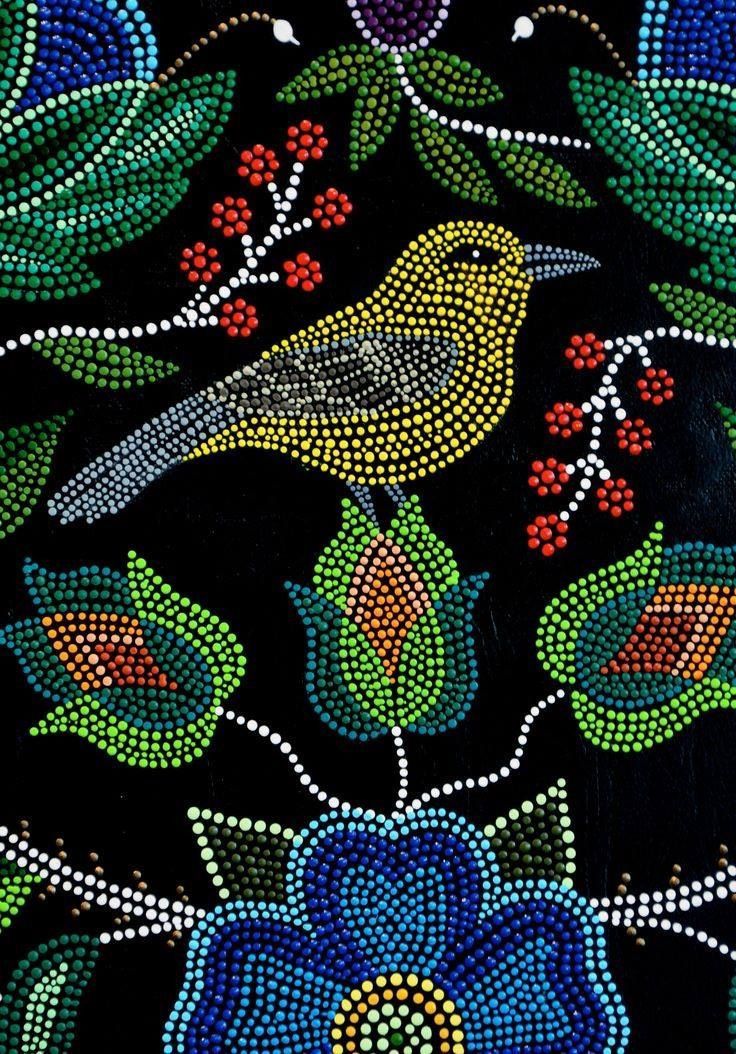
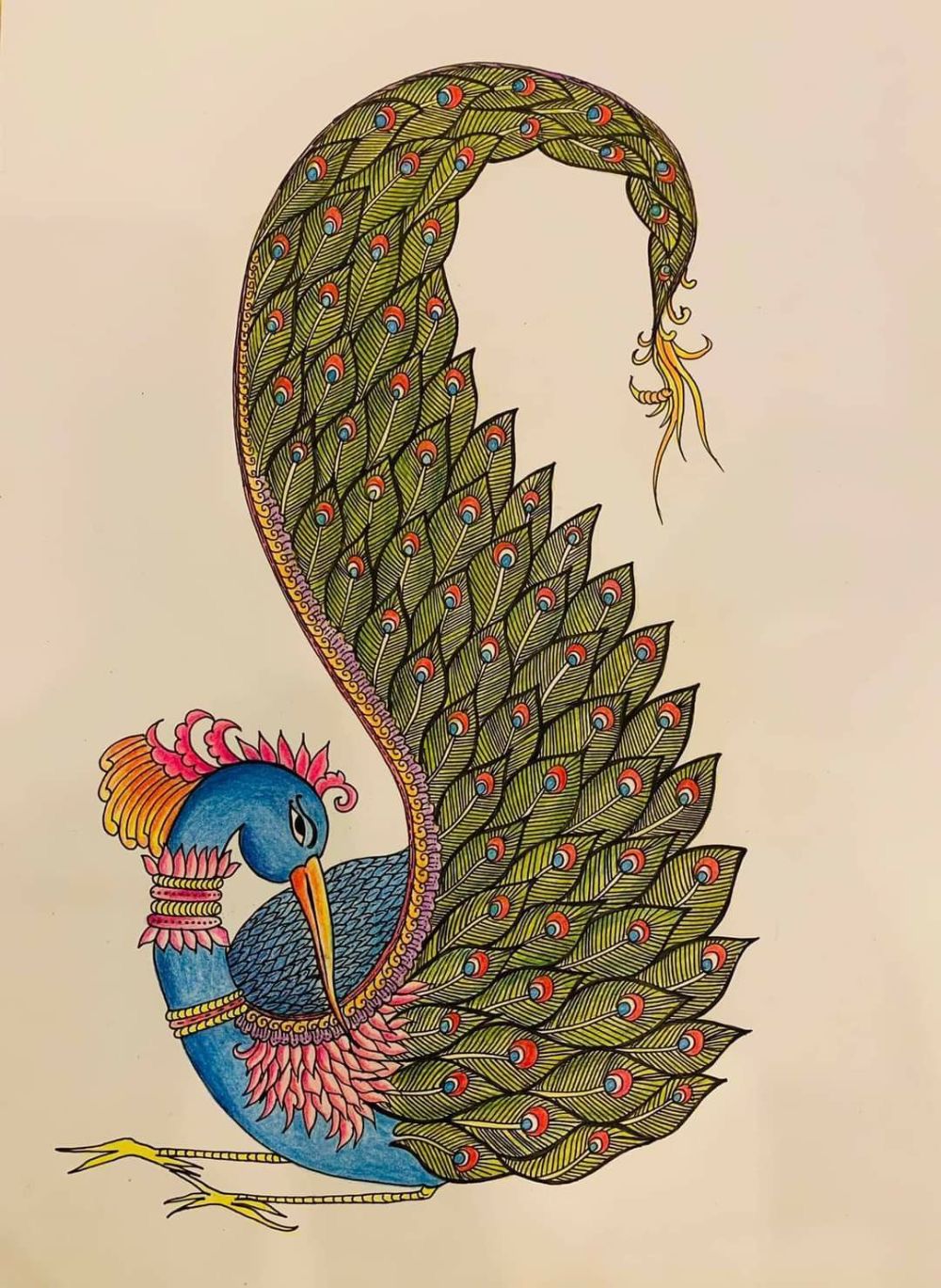
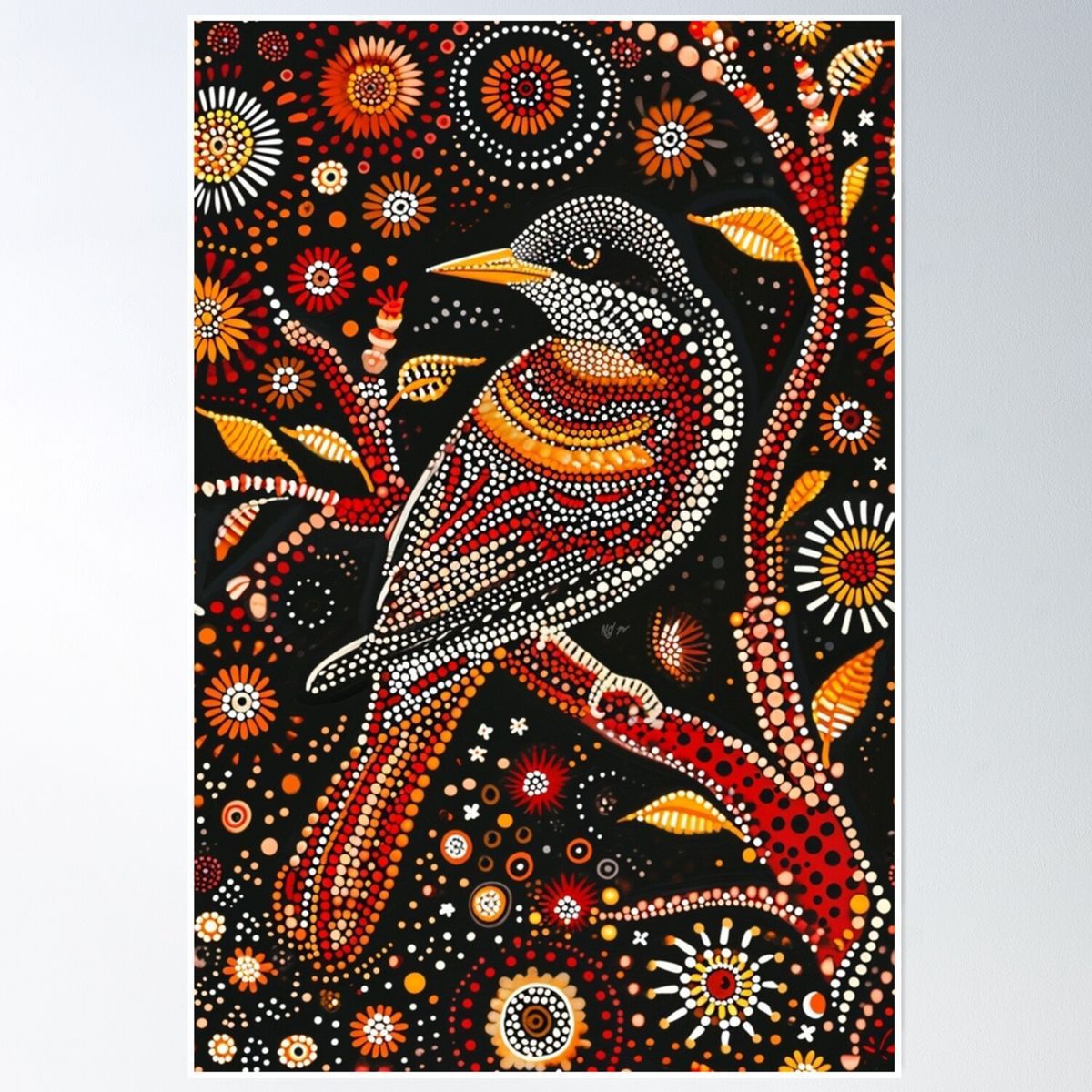
Gond art uses fine lines, dots and dashed to create a rhythmic and symbolic representations of wildfire and landscape. These elements form textures that bring motion and vitality to the artwork. Concentric circles often symbolizes water, continuity and life itself. It reinforces nature's central role in the tribal belief systems.
What makes Gond art especially powerful is its openness to interpretation. Each observer perceives the artwork differently, forming a personal dialogue with it. This interaction is intentional and personal, Gond artists create not just images, but experiences that invites reflection and emotional response.
Key Takeaways
Gond art reflects the sacred bond between tribes and nature
Patterns of dots and lines create movement and symbolism
Artworks encourage personal interpretation and emotional engagement
Nature is portrayed as both nurturing and powerful