Warli Art: How Simple Lines Tell Deep Stories
Dec 27, 2025
Introduction
Warli art is one of India’s most ancient tribal art forms, originating from the Warli community of Maharashtra. Known for its minimal use of lines and geometric shapes, Warli art proves that storytelling does not require complexity. Through simple forms and restrained color, it captures the rhythm of life, nature, and community with remarkable depth.
Main Discussion
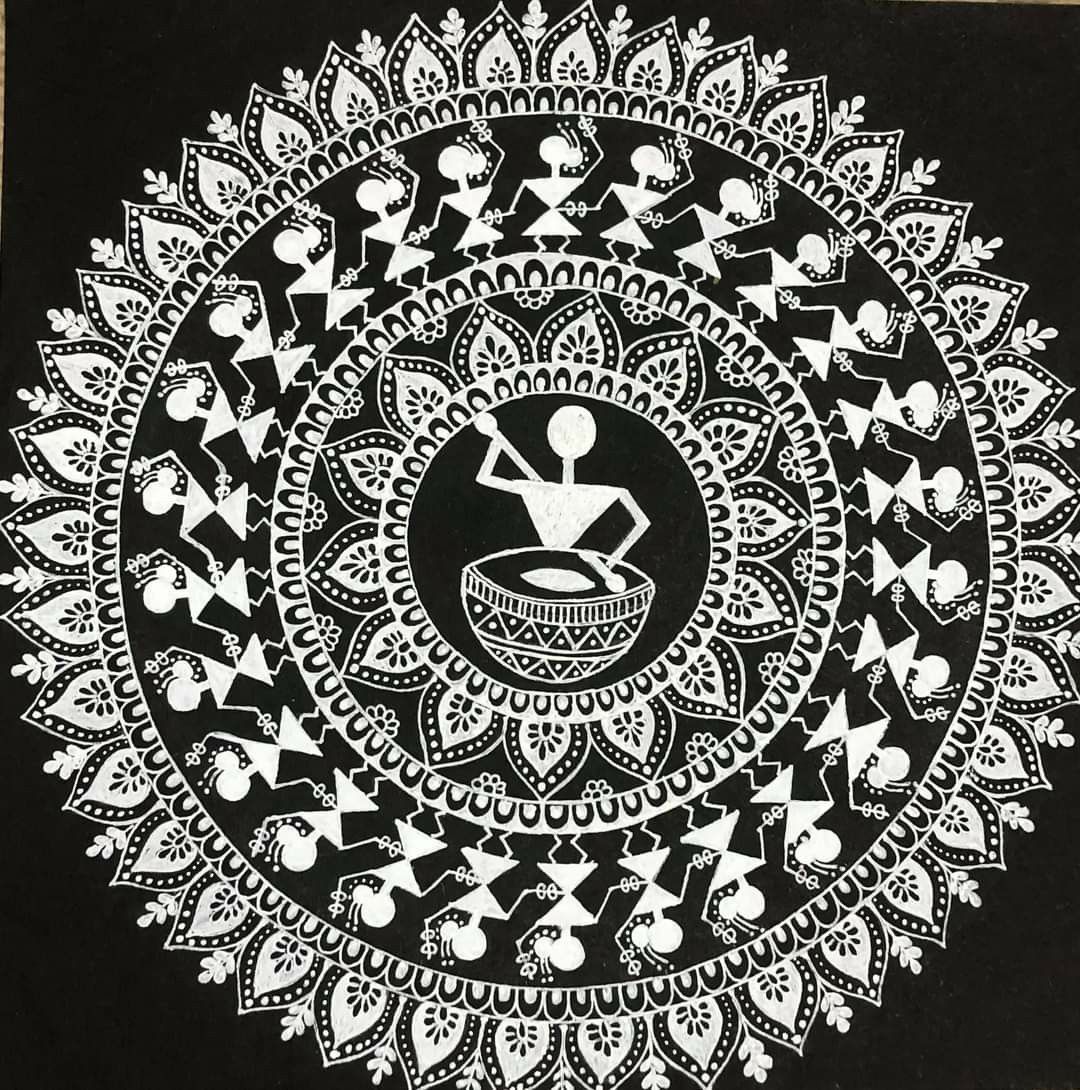
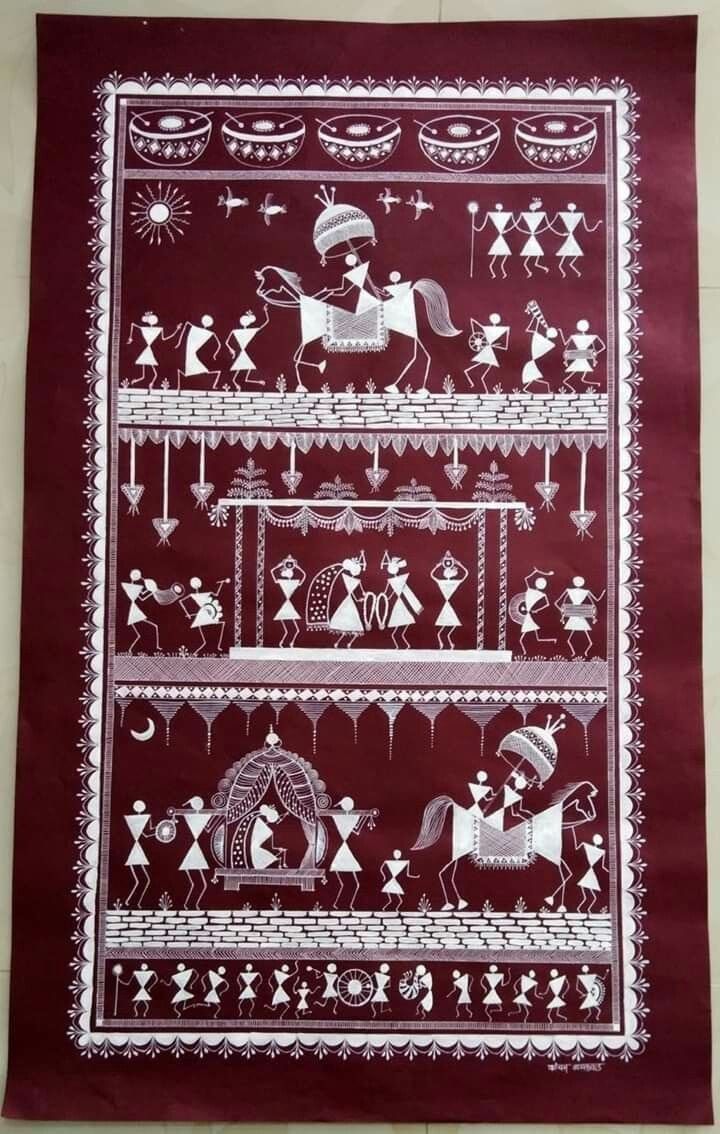
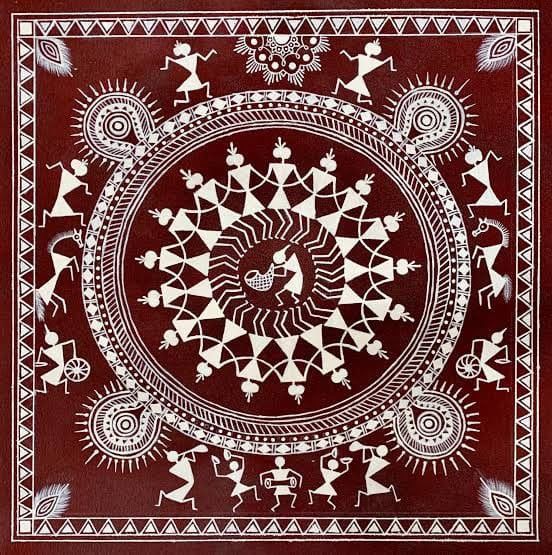
The essence of Warli art lies in its geometry. Straight lines, circles, triangles, and squares come together to create scenes of daily life—farming, hunting, celebrations, and rituals. Each line feels intentional, moving with a quiet rhythm that mirrors the heartbeat of the community. Human figures are often formed using two triangles joined at the tip, symbolizing balance between the upper and lower body.
Circles in Warli art represent the sun and the moon, emphasizing the tribe’s connection to cosmic cycles, while squares often signify sacred spaces or homes. Traditionally painted using white rice paste on mud walls or dark backgrounds, the figures appear luminous—like stars scattered across a night sky. This contrast enhances clarity and emotion without overwhelming the viewer.
What stands out most in Warli art is its focus on collective life. Figures are frequently shown holding hands in circular dances, symbolizing unity, equality, and harmony. There are no dominant figures or hierarchies; everyone exists as part of a shared rhythm. Warli art quietly documents tribal life while also acting as a bridge between the past and present, preserving untold stories through visual memory.
Key Takeaways
Warli art uses minimal forms to convey deep narratives
Geometric shapes symbolize nature, balance, and community
The art emphasizes collective life over individuality
White-on-dark contrast enhances clarity and symbolism
Warli art preserves tradition while remaining timeless