Why Indian Folk Art Is More Than Decoration
Mar 7, 2025
Introduction
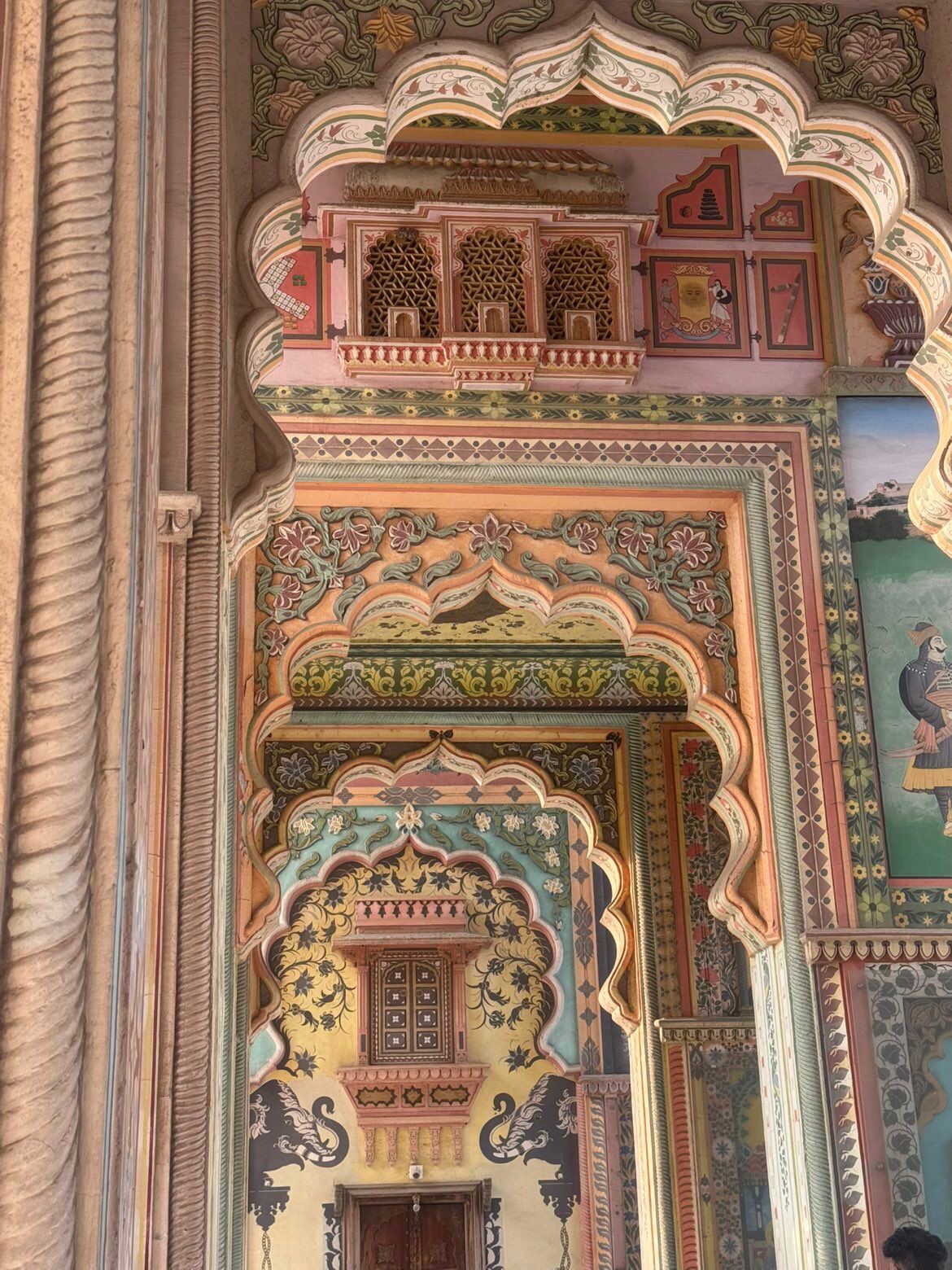
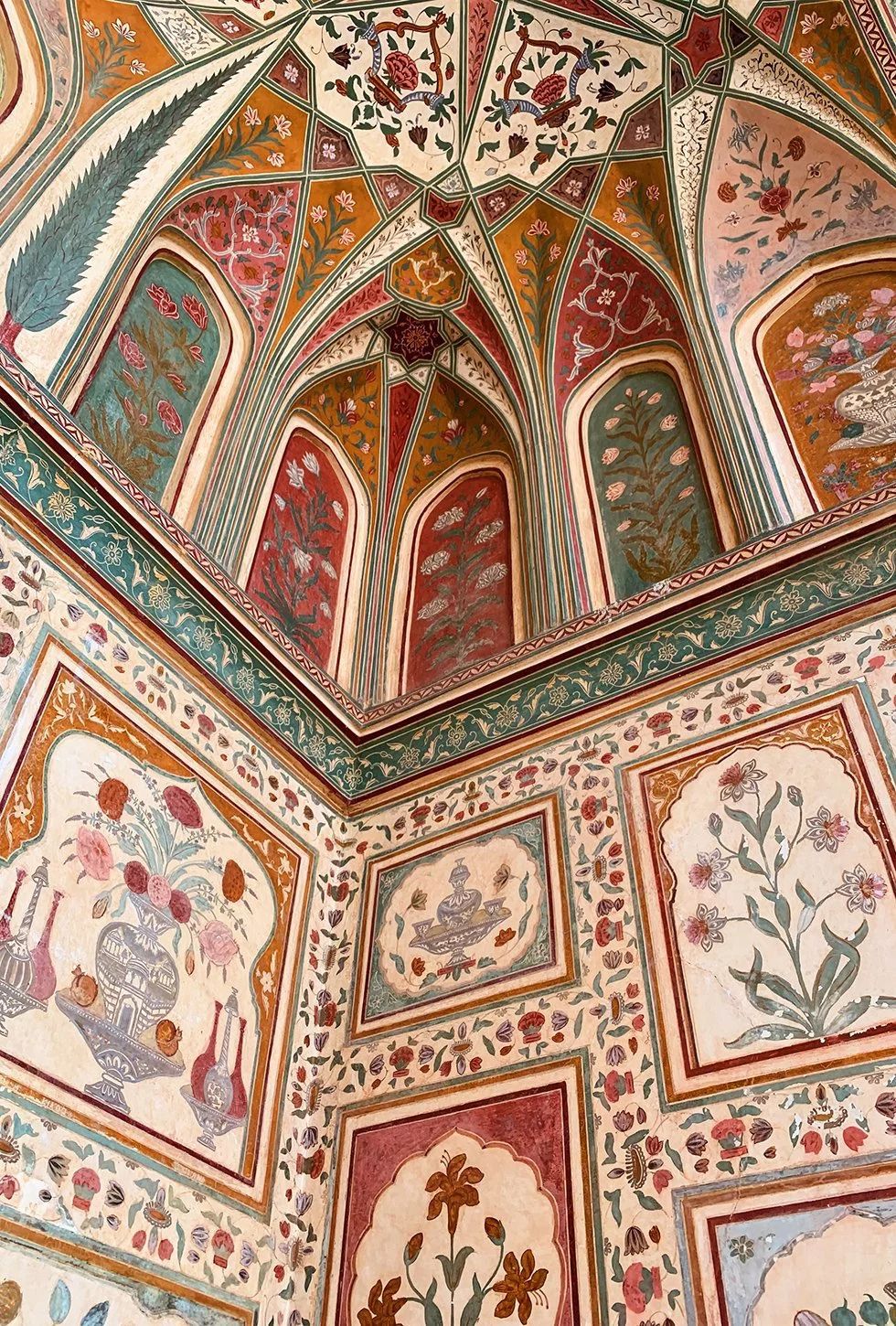
Indian folk art is often mistaken for decoration, but it is, in reality, a reflection of collective identity, philosophy, and lived culture. These art forms are deeply embedded in daily life, traditions, and belief systems.
Main Discussion
Each symbol in Indian folk art carries a layered meanings, representing myths, historical memory, and moral values. Art forms like Warli, Madhubani and Pattachitra do not exist just for the aesthetic pleasure and joy, they communicate ways of living and understanding the world.
There are no solid rules, yet every line holds intention and meaning. Madhubani, in particular, taught me that expression itself is necessary. Folk art feels like home which is quiet, familiar, emotionally present. Even when voices are unheard, emotions embedded in folk art continue to speak.
Key Takeaways
Indian folk art reflects philosophy, not just aesthetics
Symbols carry cultural memory and wisdom
Art is lived, not created solely for galleries
Folk art preserves emotions beyond spoken language